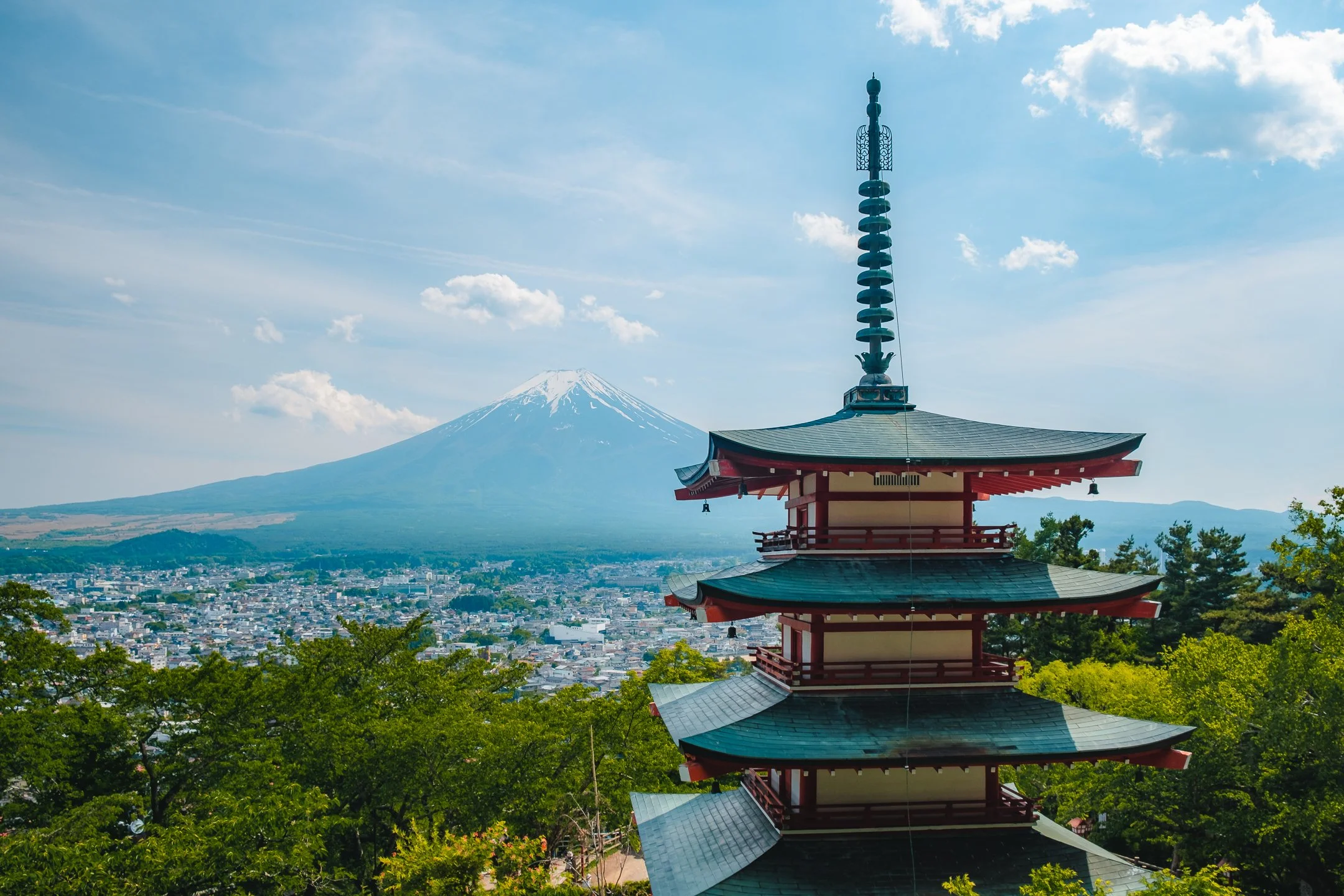
Luckily, there is no wrong time to visit Japan.
Each season has its own benefits, and no shortage of things to do. Your decision about when to visit Japan may depend on your interests, tolerance for crowds, tolerance for extreme heat (or cold!), and planned activities.
Spring
As the season of cherry blossoms, spring stands out as the most popular time of year to travel to Japan. Generally blooming from late March to early April, the cherry blossoms are but one of many beautiful flower varieties that can be enjoyed this time of year. Plum blossoms start their bloom much earlier than sakura, around mid-Februrary until April, and are just as lovely. Tulips usually bloom during April, as do the beautiful blue seas of nemophila, while wisteria and roses tend to make their appearance in May.
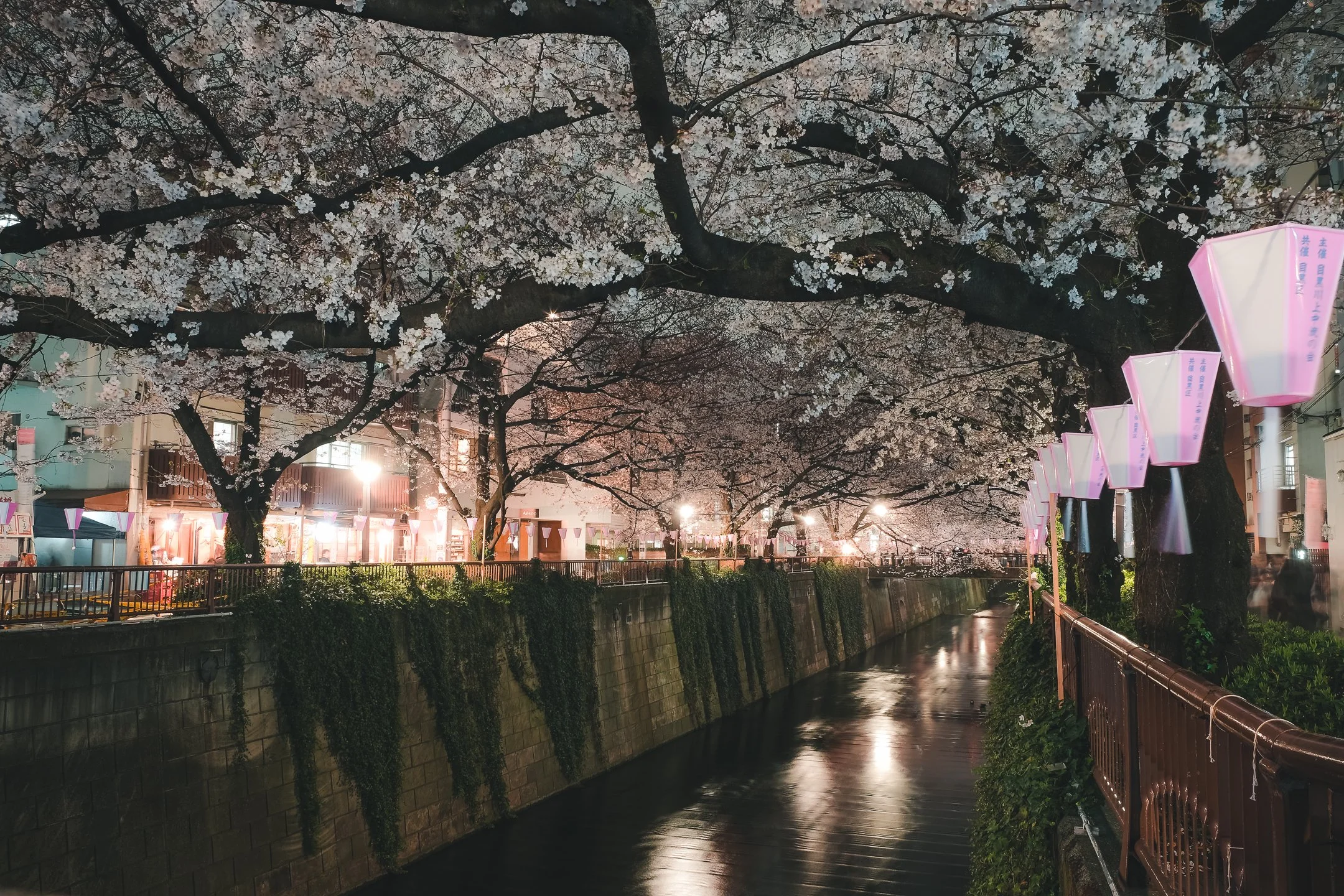
Cherry blossoms form a canopy above the Meguro river in the Naka-Meguro neighbourhood in Tokyo.
Even so, it can be really tempting to plan your trip around cherry blossom season, especially if it’s your first visit. There are a few caveats to be aware of, though.
First, it’s difficult to predict when the cherry blossoms will bloom. The first official forecast generally comes out within the first couple of weeks of the year, and a few more follow as the season grows nearer and the predictions are fine-tuned. By this time, you’ll probably have already booked your flights and accommodations.
Second, cherry blossom flowers are sensitive to weather changes: despite the best efforts of forecasts, an unusually warm day might prompt them to bloom early. On the flip side, a cold snap, heavy rains, or harsh winds may cause the delicate petals to fall prematurely.
Finally, peak sakura bloom will bring heavier crowds than any other time of year. At most well-known cherry blossom locations, you’ll be shoulder to shoulder with other sakura admirers, which might spoil the atmosphere. Not to mention, with all the inbound tourism happening this time of year, these crowds will mean higher accommodation and flight costs.
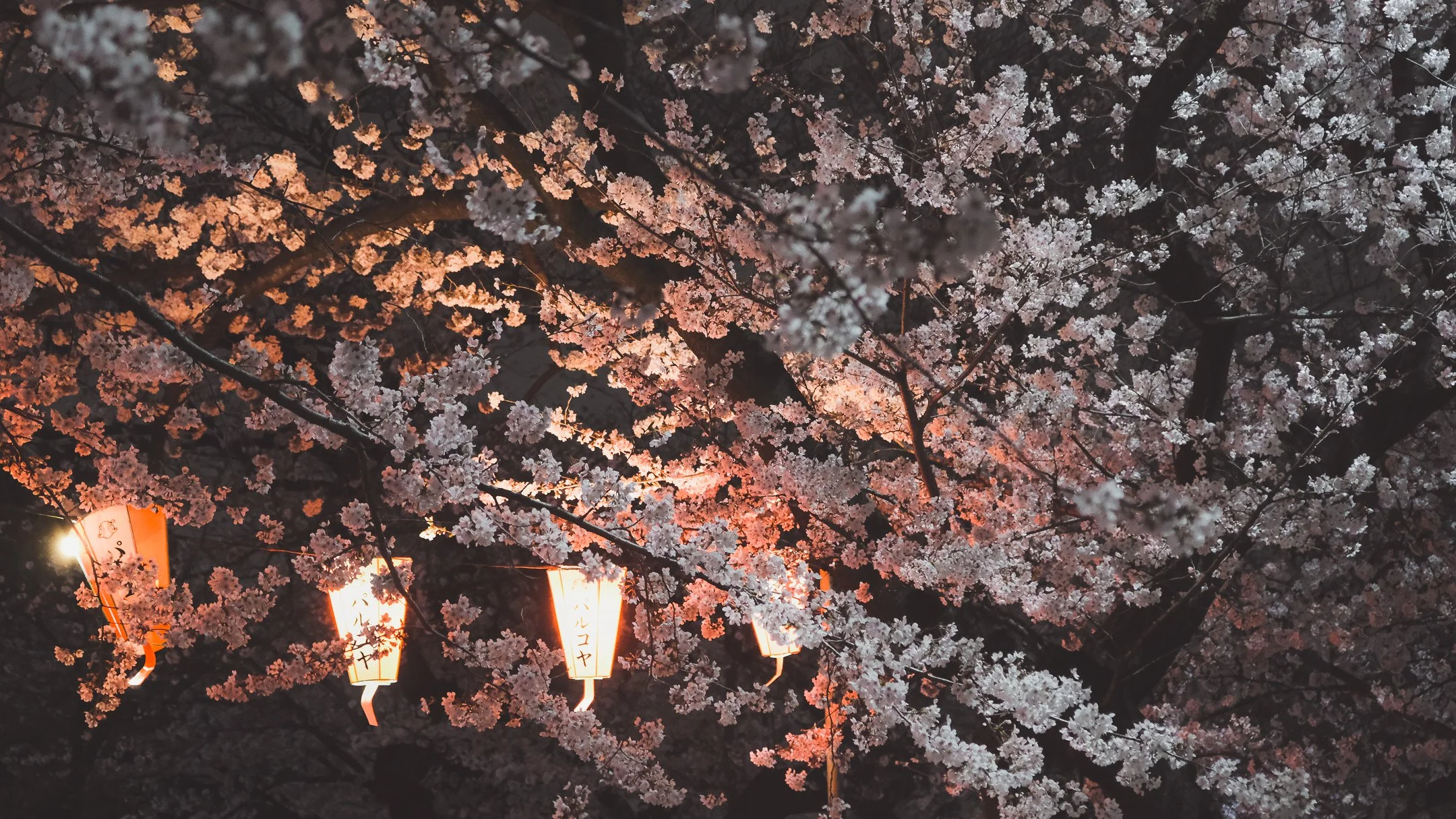
Cherry blossoms bloom in Ueno Park, Tokyo
However, it’s worth nothing that these cherry blossom forecasts and fanfare are for one specific type of flowering tree, called Yoshino. They produce those fluffy white blossoms that are usually associated with sakura viewing. There are in fact hundreds of other varieties, though, which can bloom as early as January and as late as July! I have even heard of a few varieties of winter sakura. So, if you’d like to experience crowd-less sakura viewing, it’s worth doing a bit of research on other varieties and their locations!
In terms of temperature, spring remains a very compelling time to visit. Around Tokyo, weather during spring is beautiful, tending to reach highs of a refreshing 13 degrees in March, and progressing to around 23 in May. You'll usually be spared from the rain, too, as rainy season doesn't pick up until around June.
With so many reasons to visit Japan during spring, it is no wonder that it is also the most crowded time of year. And not only for foreign tourists: domestic tourism also peaks in spring each year during the nation's longest holiday, Golden Week. Well, I say "holiday", but Golden week is actually a collection of several public holidays that all generally fall in the same week-long period. In 2024, Golden Week is from April 29 to May 5. During this week, basically everyone in Japan has this week off and will be taking advantage to travel domestically throughout the country. So, I would avoid going anywhere remotely touristy, and would in fact recommend staying in Tokyo during this time: many Tokyoites will leave the city during Golden Week to do some tourism of their own, or to visit relatives in the countryside. That being said, even the touristy places in Tokyo, like Asakusa's Sensō-ji, will be absolutely bananas. So, if you're visiting Japan during Golden Week, please take the opportunity to explore other neighbourhoods, and make sure that any activities that can be booked ahead of time are booked well in advance (e.g. hotels, restaurants, theme parks, bullet train tickets, etc.).
Summer
Summer in Japan can be oppresively hot, and worse, extremely humid. It is not uncommon for Tokyo to reach highs of 35, even 40 degrees during the peak of summer in August. But first, June usually marks the start of rainy season, where Tokyo transforms into an atmospheric sea of umbrellas. The white-pink flower blossoms are long gone, replaced by verdant green leaves. Rainy season also brings hydrangea: colourful, pink-blue-purple puffball flowers that line many streets and temples. The water-flooded rice paddies will also turn green and vibrant, adding immense charm to the countryside.
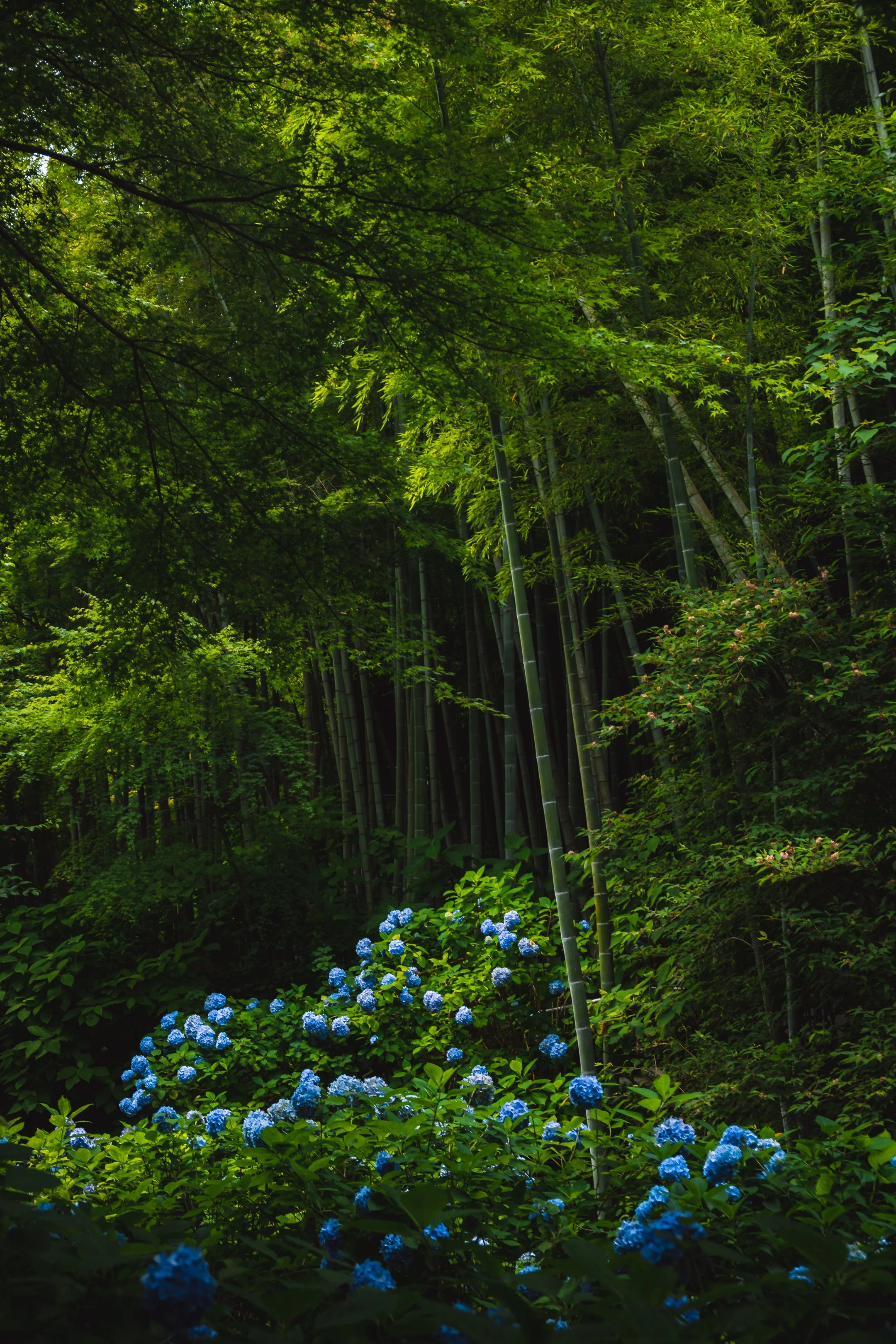
Hydrangea bloom among the bamboo at Meigetsu-in temple, Kamakura
Rain will start to slow down mid-to-late-July, and festival season begins. Hundreds of festivals are held from June to September, and may make summer travel an inviting concept: despite the harrowing heat, festivals are lively, exciting, cultural events that usually involve some combination of dancing, singing, parades, street foods, and fireworks.
During August, festivities continue, but typhoon season peaks, with the most intense typhoons happening from August to September. Particularly bad rainfall may impact transportation, as trains or flights become cancelled.
If you're visiting Japan during the summer, make sure to stay hydrated, apply sunscreen liberally and often, and try not to overexert yourself. It is dangerous and unfortunately not difficult to suffer heat stroke, especially in hot city centres that act as giant heat sinks.
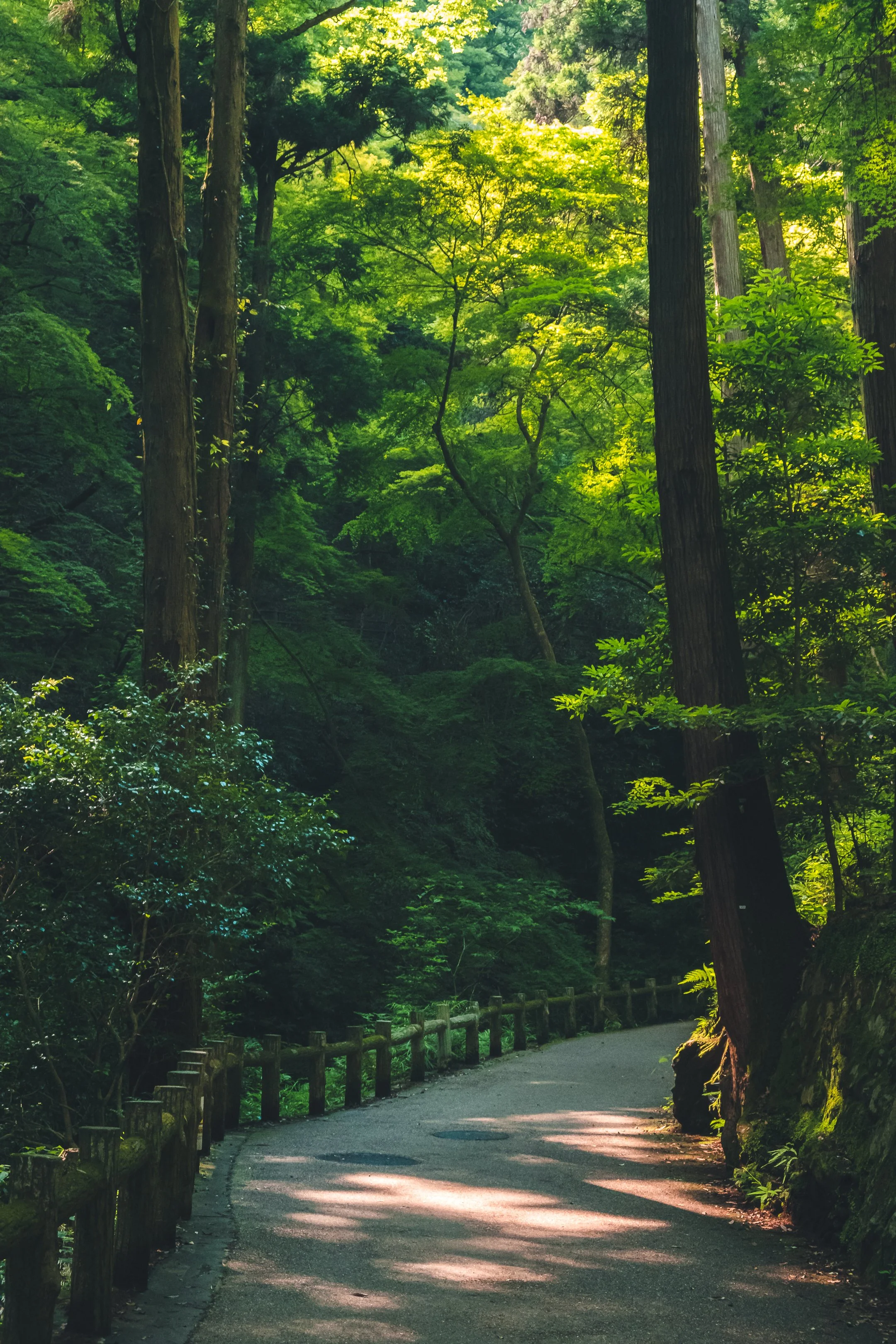
Minoh Park in Osaka makes for a refreshing reprieve from the city’s summer heat.
For more manageable weather, stick to nature instead of cities, or head north: to Japan's Touhoku region, or its northern-most island, Hokkaido. Hokkaido will be especially lovely this time of year, green and abundant with beautiful natural destinations. These are some of Japan's least-travelled areas, too, so you will often feel like you have the whole place to yourself.
Autumn
While I’ve never had the pleasure of visiting Japan during the second half of the year, it’s certainly not due to a lack of interest. Autumn might just be the second-most popular time of year to visit, as the maple leaves turn their iconic shade of red and autumn foliage makes its way across the country. Autumn foliage usually starts to make an appearance in October in the northernmost parts of Japan, and by late November, in Tokyo, Kyoto, and Osaka. Expect crowds that are perhaps only outdone by those during peak cherry blossom season!
After a wet and gloomy September, typhoon season usually ends by October, and gives way to pleasant temperatures, with highs generally just above 20 degrees in Tokyo (but, as with most places, temperatures are rising by the year). November is generally quite dry and crisp, with the temperature dropping to about 15.
Winter
Those who come to Japan during winter will find lovely year-end illuminations in all the major cities, with the weather cool and dry, and the days bright and sunny. January will tend to be the coldest month, followed by February, then December. Those who enjoy winter sports will surely want to head to the north, where the region is blanketed with record-breaking levels of snow. Down in Tokyo, and other central areas of Japan, though, you'll be lucky to get a few light dustings per season: but it's always exciting when it happens! There are some winter festivals that can also be enjoyed during winter, such as the Sapporo Snow Festival. The end of February will usually mark the emergence of plum blossoms, too: the first sign that spring is to come.
Barring the ski resorts, this is probably the least busy time of year to travel Japan.