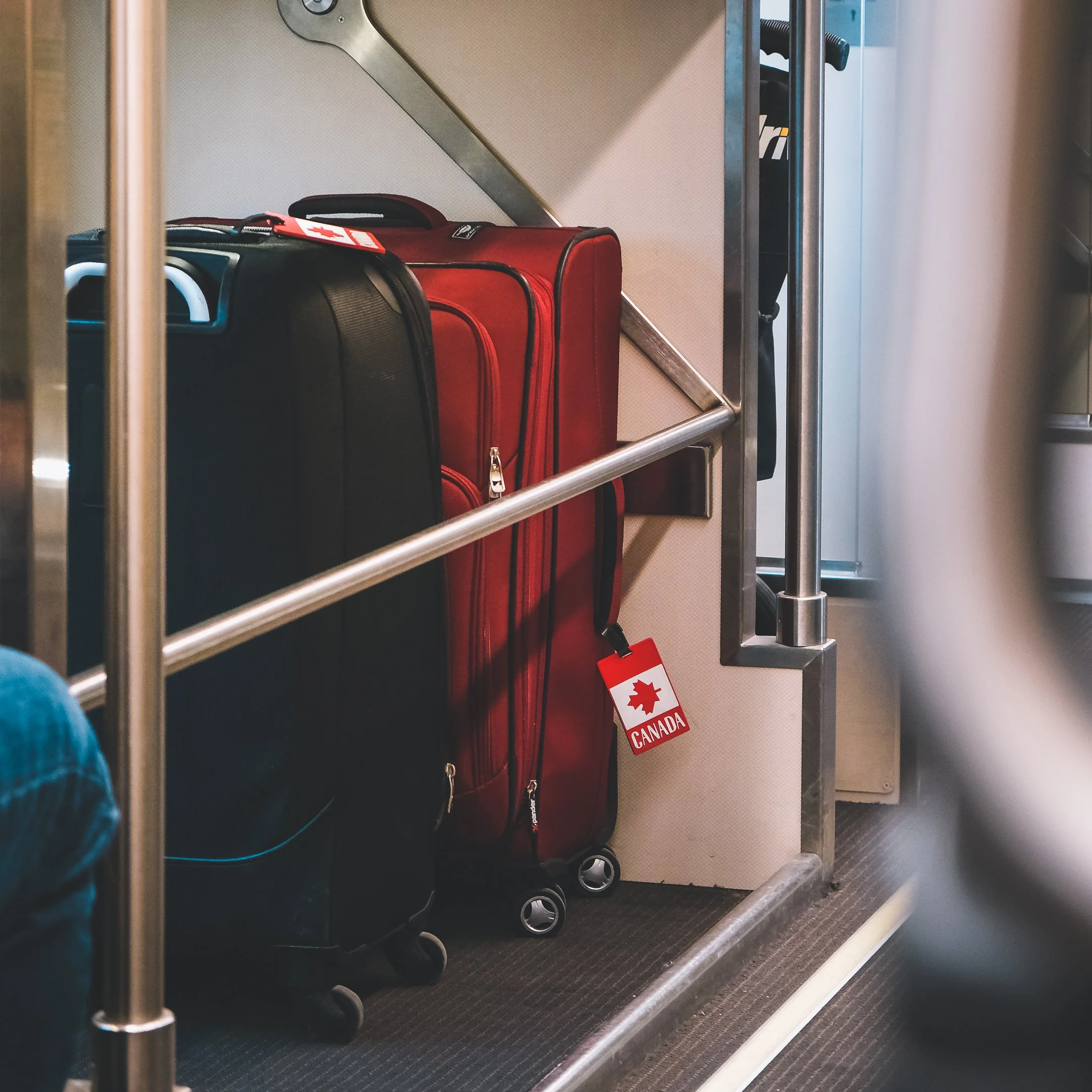
The bulky luggage we brought on our first trip to Japan. We’ve since learned our lesson.
If I were to make a single, 15 second viral clip with my "Number ONE Japan Travel HACK!”
It would be: pack light. No, even lighter!! Japan might as well be the most well-stocked country in the world when it comes to everyday conveniences and essentials. If you showed up to Japan with only your passport and phone, you would be... completely fine (though immigration might have a question or two)! Conversely, if you overpack and show up to Haneda Airport with a 50-pound piece of luggage (or, god forbid, two pieces of luggage), you will immediately regret it as you are faced with the sheer number of staircases that are inextricably linked to Tokyo transit. Imagine dragging two suitcases up 3 flights of stairs, and then walking 2 kilometers through the labyrinth of Shinjuku station because your hotel happens to be near the furthest of its 200+ exits... oh, and you've already gotten lost 3 times. After squeezing myself and my too-large suitcase into a busy subway car on my first trip to Japan, I vowed I would never make the same mistake again. Sure enough, my second trip found me ditching the suitcase and bringing only a backpack. My only regret? Not packing even lighter! There is nothing quite as freeing as being able to pick up and go in minutes, not worrying about how I'm going to get my luggage from point A to point B, and even being able to sneak a few sightseeing stops before checking in to my hotel. I have only become more driven to optimize my packing list over time, eliminating all but the most necessary items. Laundry has never been a concern for me, as I tend to book hotels that have on-site laundry machines. When that's not possible, there is no shortage of laundromats in most cities, and their machines are very easy to operate with just a little bit of Google Translate.
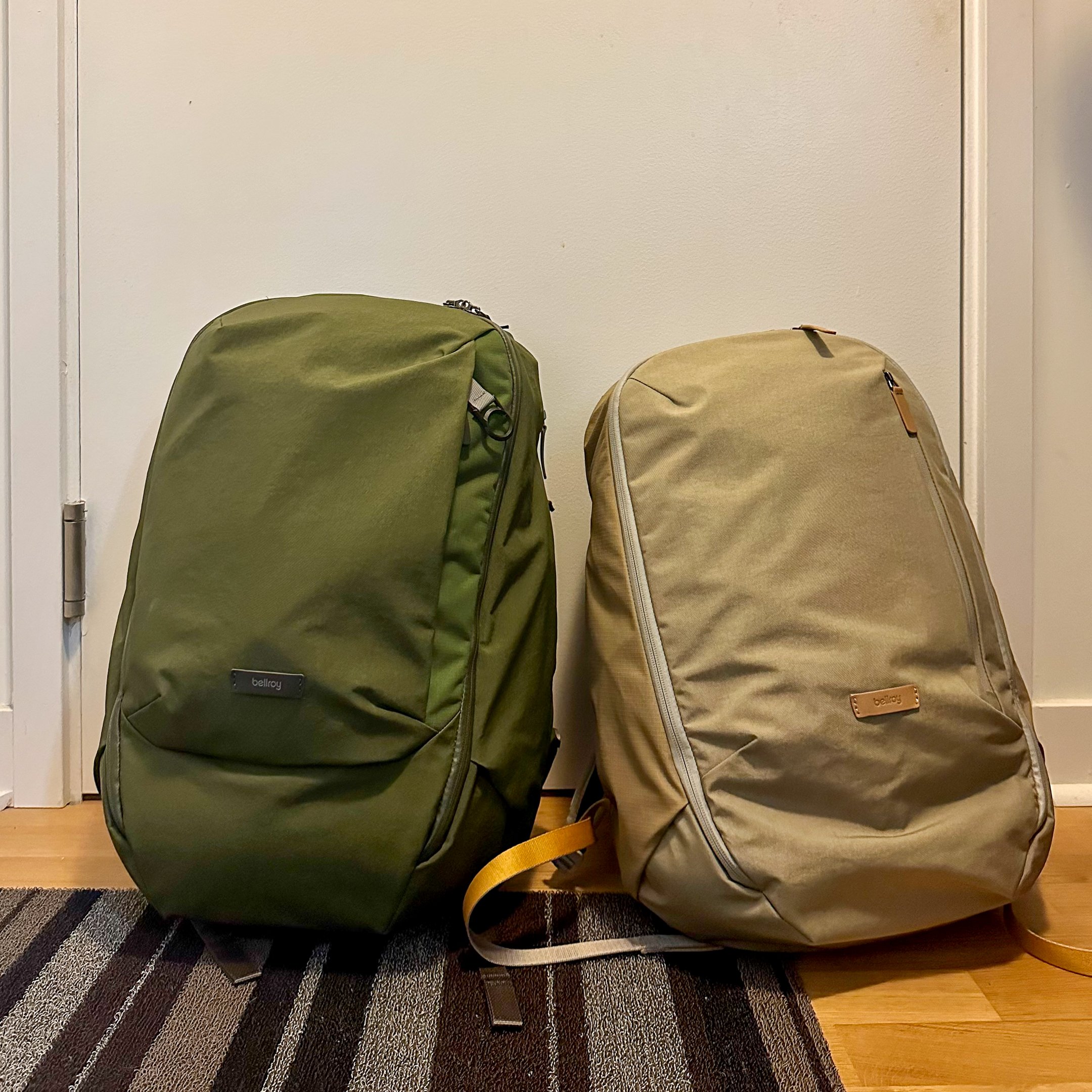
We lived out of our backpacks for 2 months on our second trip to Japan.
Regardless of how you pack, I would still recommend bringing a small day pack or sling, not only to hold your essentials, but to collect any trash you accummulate during the day. Trash cans can be hard to come by in Japan, especially if you are in more remote locales, and you may need to wait until you've returned to your hotel room to dispose of any wrappers, bottles, or receipts you've acquired.
Luggage Forwarding
Even though you'll be packing light (right?), I would be remiss not to mention one of the most helpful conveniences Japan has to offer, which is their hyper-efficient luggage forwarding service. Depending on your destination, Yamato Transport, affectionately known as kuroneko on account of their signature black cat logo, can get your luggage door-to-door within a day or two. This is immensely useful when you're between major destinations, but you'll be spending a night or two on a little side trip. Alternatively, you may use this service if you're cycling between two destinations and want to minimize extra weight. In either scenario, you could pack a small day pack with the essentials and send your main luggage to your destination hotel for them to hold for your arrival. Virtually every hotel will have this service available and can help you fill out the form. Your luggage will be well cared for, and the cost is surprisingly reasonable.
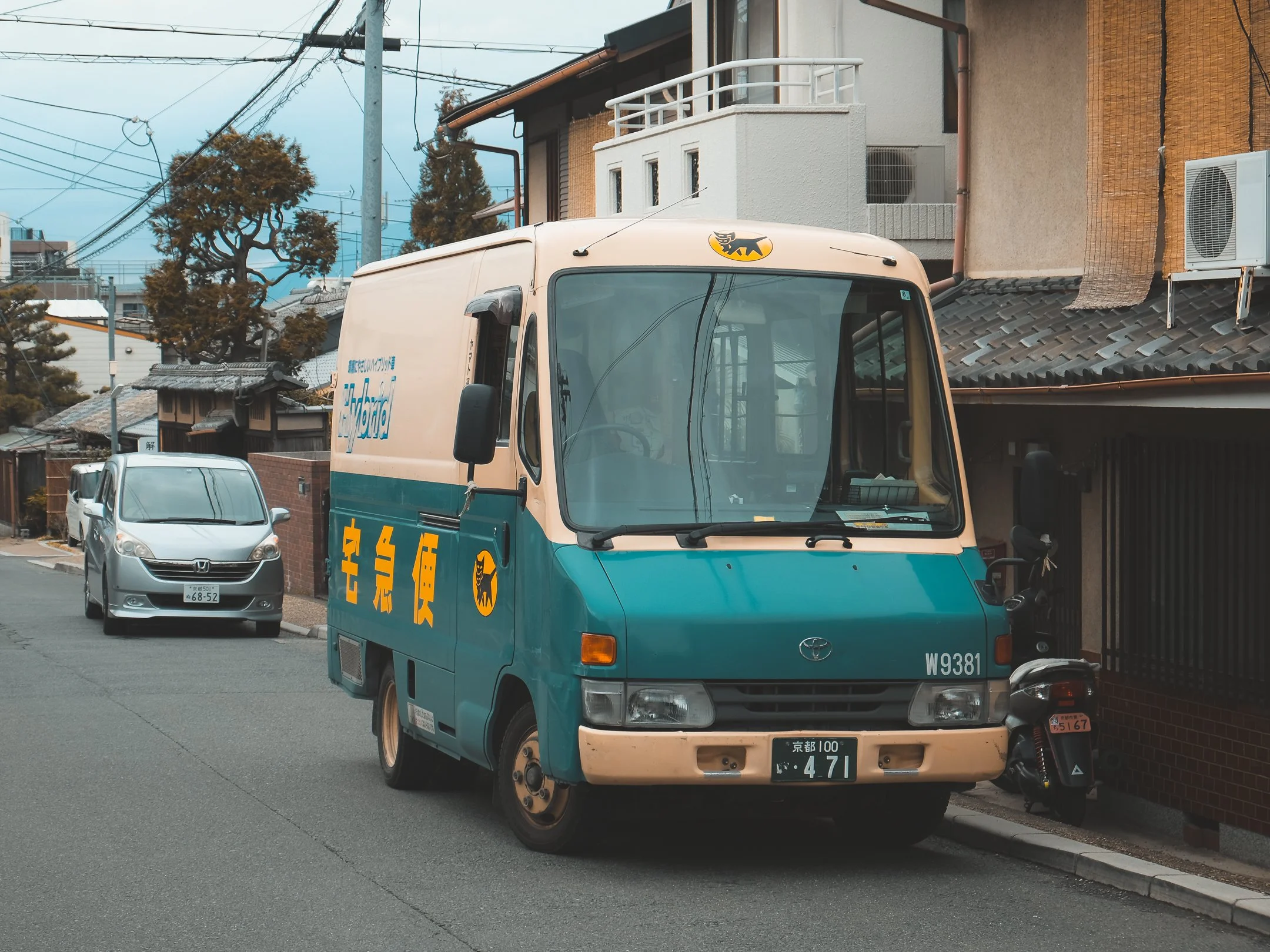
A cute little Yamato Transport delivery van.
If you're the type to do lots of shopping in Japan, both for yourself and for friends and family back home, well... same, girly. I didn't say I was a minimalist, did I? I typically buy a small duffel bag at some point during my trip to hold any overflow, and try to delay most of my shopping to the tail end of the trip to avoid having to use long-term storage services (but those services do exist if you need them!).
Luggage Storage
Besides forwarding luggage from one location to another, you may also want to storage luggage temporarily while you sightsee: for example, if it's too early to check into your accommodation, if you're on a day trip somewhere you aren't staying overnight, or you just want to store some purchases so you can continue exploring hands-free before returning to your accommodation.
The easiest short-term storage is your hotel: their staff are more than happy to hold onto your bags if you arrive prior to check-in, or if you still have some sightseeing to do after check-out.
If this isn't possible or convenient, like if you've traveled somewhere on a day trip but don't plan on staying the night, then major (and most minor) stations in Japan offer various sizes of coin lockers that can hold your bags. Coin lockers charge on a per-day basis, ranging from 300 yen for a small locker, and up to 700 for a large one. Usually, you are permitted to store bags in lockers for up to 3 days, after which the station staff will empty them. However, make sure to double check prices and time restrictions at your station so that you don't end up losing your luggage!
If you need a longer-term solution for luggage storage, it's still possible, but it can get much more expensive. Personally, on my most recent trip to Japan, we bought too many items the first month and needed to find a way to store them while we travelled across the country during the second month. So, we packed up our purchases in a duffel bag and used a service called Bounce, which has many drop-off locations across Tokyo. They were able to hold onto our bag for 600 yen a day: less expensive than a large locker, but still adds up the longer you need to use it!