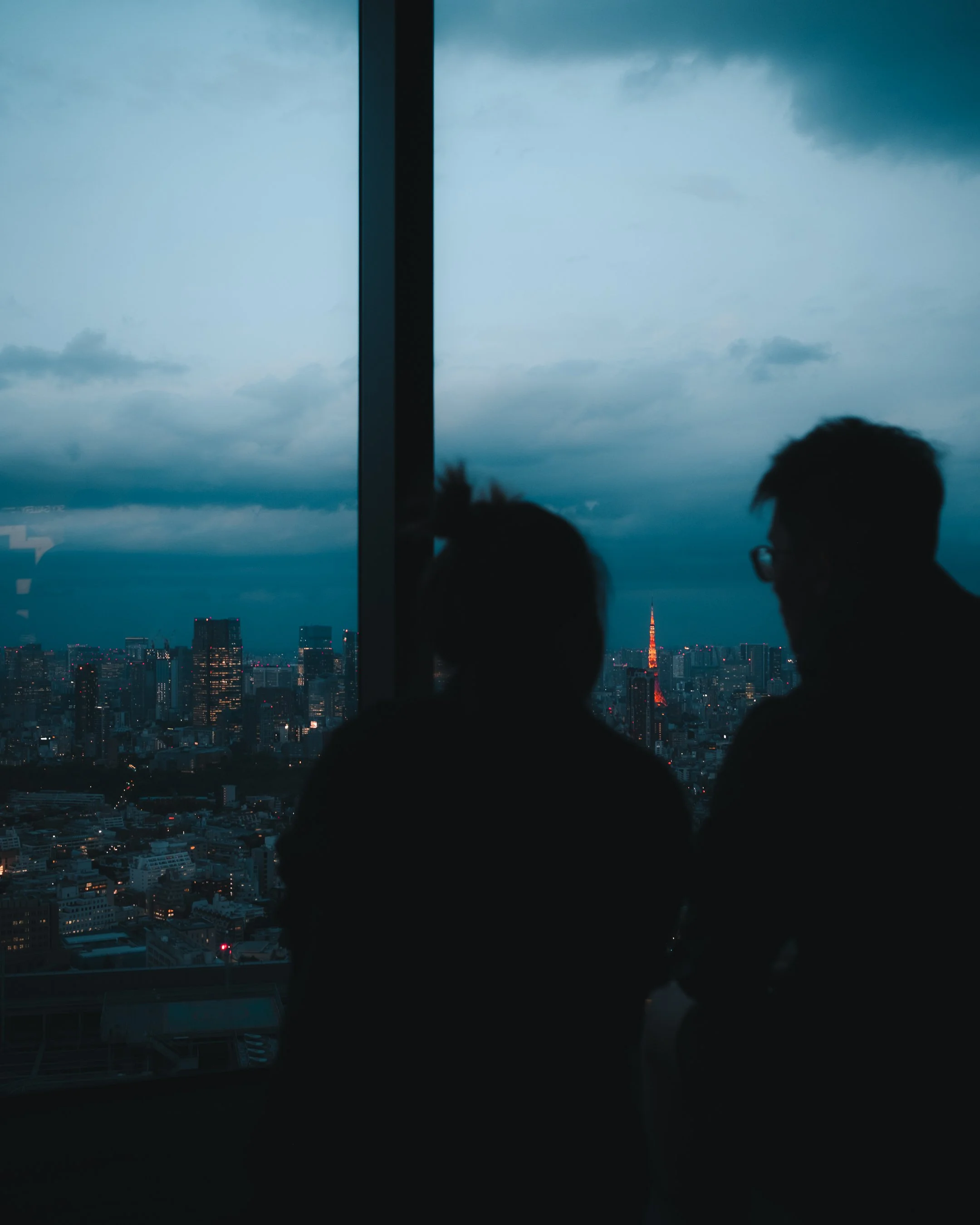
To hub or not to hub?
When planning your trip, particularly when it comes to booking accommodations, there are two schools of thought. The first is to take a hub-based approach, where you book fewer accommodations and stay at each one for longer. Each stay becomes your "hub" for that leg of your journey: somewhere centrally located and well-situated in terms of transit, where you can easily make day trips without having to book different accommodations every night.
The second is to do away with the concept of hubs, and instead travel a linear path along your itinerary, staying fewer nights at each location, and having to check in and out far more often.
There are benefits and drawbacks to each approach, and during my last trip to Japan, we tried the hub-based approach for the first month, and then travelled linearly through the rest of our itinerary for the second month.
Hub-based travel benefits:
Potentially cheaper accommodation cost, as you can often find discounted rates the longer you stay at one location
Less time spent packing and unpacking luggage, and checking in and out of hotels
Less encumbered on day trips: you'll only need to bring the esentials with you, rather than your whole luggage
A sense of being "at home"
The longer you stay at each accommodation, the more familiar you'll become with the local neighbourhood and nearby transit. You'll probably start to pick up your favourite coffee shop, breakfast joint, or local watering hole. You might even make a local friend or two.
Path-based travel benefits:
Less time spent travelling to and from destinations, since you are generally staying overnight wherever you go rather than returning to your hub accommodation
Potentially cheaper accommodation cost, if most of your stays will be in less popular, and thus cheaper, destinations (places that make good hubs also tend to be in higher demand)
Cheaper transportation costs, since you won’t have to pay the travel costs associated with returning to your hub accommodation after each day trip
Seeing destinations past peak times: if you are doing hub-based travel, usually you will be travelling to your day trip destination in the morning, and coming back in the afternoon. Staying overnight means you can explore your destination after the tourists have gone home, or before they've arrived for the day.
Sense of forward momentum: depending on your travel style, you may prefer having a new environment to look forward to each day.
You're usually able to cover a larger distance across the whole trip, since you don't need to worry about returning to a hub
Having done both, I prefer travelling along a path. Having that sense of forward momentum makes the trip feel longer: thinking back on my last trip, the first month's days tended to bleed into one another since there were fewer changes of scenery, and we covered way more ground during the second month. That being said, our accommodation cost was way cheaper during our "hub" month, since we could take advantage of long-term stay discounts.

Where to Hub?
If you prefer a hub-based approach, where you stay depends on the region you wish to explore. Here are a few suggestions of common hub cities, and some of the day trips that are easily accessible from each.
Tokyo
Obviously, Tokyo is the ultimate hub city. It has by far the most transit connections, and is as pretty much as central as it gets in Japan. If you decide to stay put in Tokyo, you the following day trips are easy peasy:
Nikko: If you take the Shinkansen for part of the trip, you can get here in under 2 hours from Tokyo Station. Otherwise, save some money and take local express trains to get there in a little over 2 hours.
Yokohama: Visit the Cup Noodle museum and Japan's most famous Chinatown, just 30 minutes away from Tokyo.
Kamakura: With its many impressive shrines and proximity to the sea, you can be in Kamakura in about an hour.
Ennoshima: Best paired with your trip to Kamakura, you can still visit this small island in a little over an hour from Tokyo!
Hakone: If an extended soak in the area's hot spring baths doesn't tempt you to stay overnight, you can technically squeeze Hakone into a day trip. Take the Romancecar from Shinjuku, and you'll be in Hakone in under 90 minutes.
Okutama: This nature-lover's paradise is technically part of Tokyo, but you'll still need to take a 2-hour train ride to get there. The perfect day trip if you need a break from the city.
Kawagoe: In under an hour from Tokyo, you can find yourself in this charming “Little Edo” town in neighbouring Saitama prefecture.
Tokyo Disneyland and DisneySea: Despite having the Tokyo namesake, these popular theme parks are actually in Chiba prefecture. You'll only need about half an hour to get to these parks from Tokyo Station.
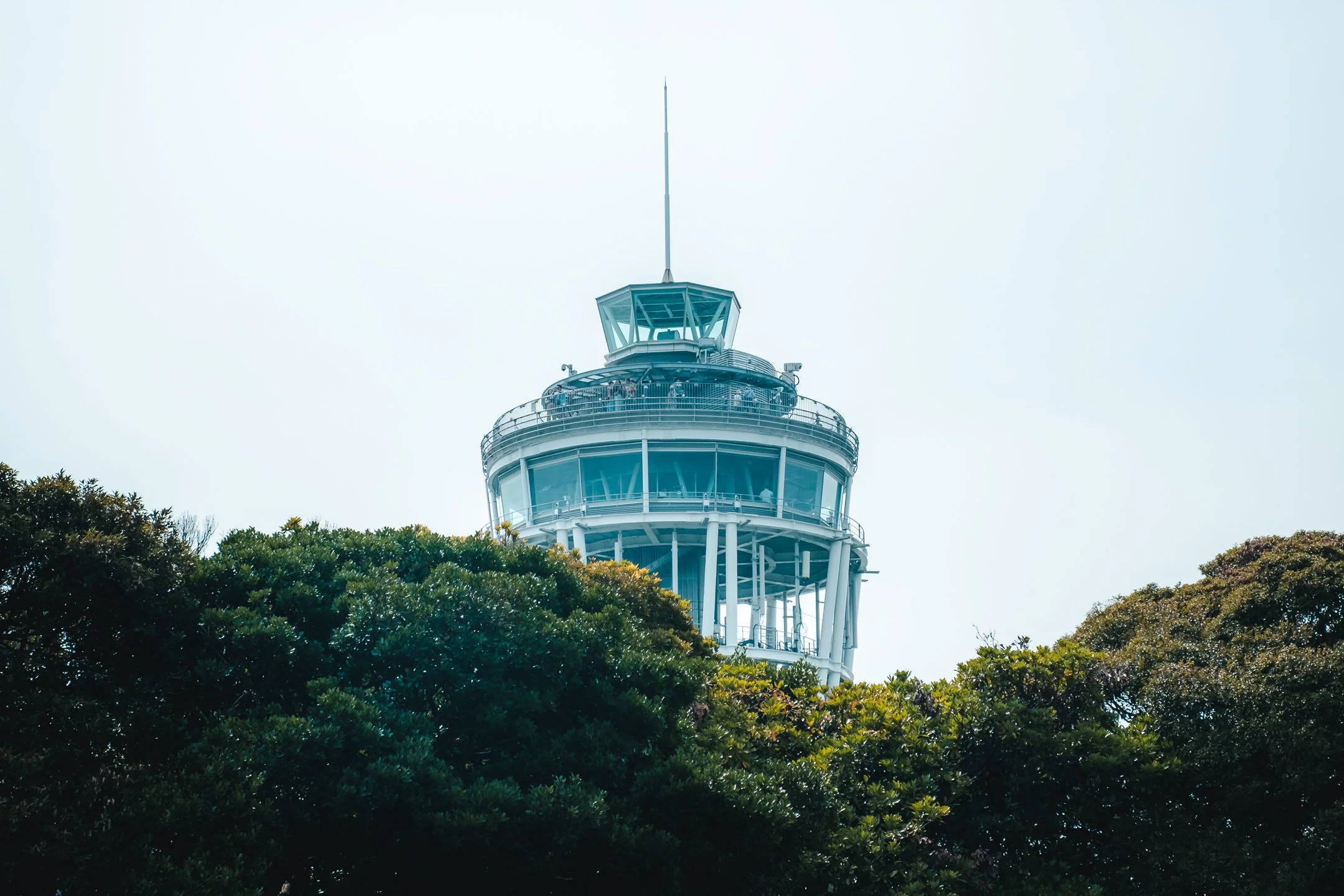
The Enoshima Sea Candle is the eminent structure on Enoshima island.
Kyoto/Osaka
You can't go wrong with either of these cities as your Kansai-region hub. Where you decide to stay will depend more on your personality: do you prefer more culture, shrines, and history, or do you prefer nightlife, an impressive food scene, and the bustle of a busy city?
Either way, the following day trips are easily accessible from either Kyoto or Osaka:
Kyoto/Osaka: Whichever hub city you end up choosing, you'll obviously want to give the other one a visit! It'll take you under half an hour to go from Kyoto to Osaka, and vice versa.
Nara: Visit one of Japan’s historic capital cities in under an hour from either Kyoto or Osaka.
Himeji: Home to one of the most impressive of the few surviving original castles in Japan, Himeji makes for a worthy day trip from either Kyoto or Osaka. Travel times range from under an hour from Osaka to an hour and a half from Kyoto.
Kobe: Even if you aren't interested in its namesake wagyu beef, this lovely port city makes for a very convenient day trip from either Osaka or Kyoto, with travel times clocking in at under an hour.
These last three destinations would do better as overnight trips, in my opinion, but if you have an early start to the day you could perhaps squeeze them into day trips:
Koyasan: 2 hours away from Osaka, you could feasibly fit a visit to Mount Koya as a day trip, but you’d be missing out on two of the highlight experiences: staying overnight at a temple lodging, and a nighttime tour of Okunoin cemetery.
Kinosaki Onsen: It’ll take you 2.5-3 hours to make your way to this old-fashioned, attractive onsen town. You’ll definitely want to stay the night at a traditional inn, though!
Kanazawa: Home to one of Japan’s most beautiful landscape gardens and several preserved teahouse districts, Kanazawa can be reached in as little as 2 hours from Kyoto via the Thunderbird limited express train.
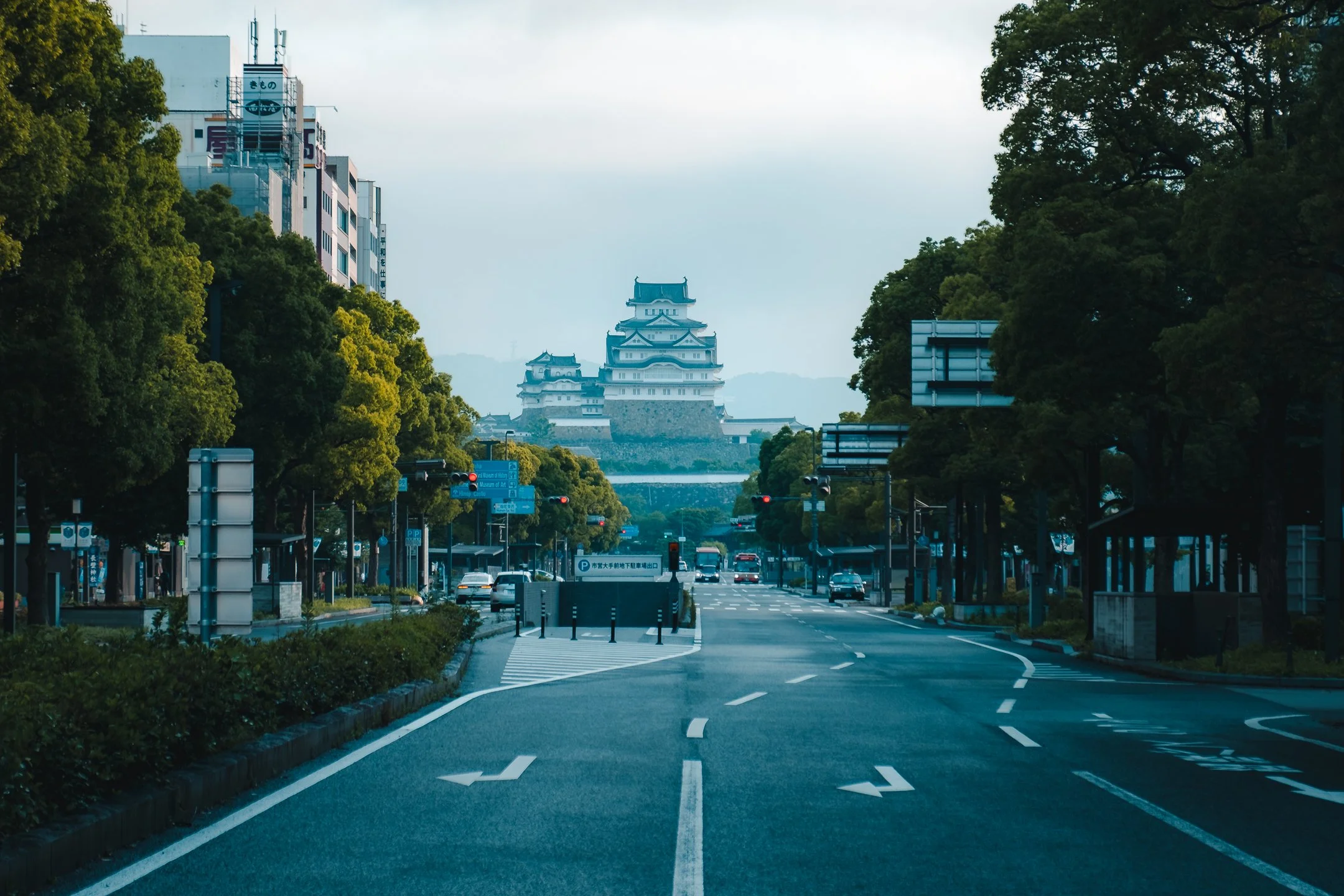
Standing tall and brilliant white, Himeji castle is often called the White Heron.
Hiroshima
Hiroshima makes for a great Chugoku-region hub. You can of course opt to stay in Hiroshima itself for the duration of your stay, but I would highly recommend spending one night on Miyajima island, the first entry on this list.
Miyajima: This small island in Hiroshima Bay, known for its Great Torii Gate, can be reached in under an hour from Hiroshima station. You’ll take the subway to Miyajimaguchi station, followed by a short but scenic ferry trip.
Kurashiki: The “Venice of Japan”, known for its Bikan Historical Quarter, is accessible in about an hour from Hiroshima.
Onomichi: This charming, hilly port city is the starting point of the Shimanami Kaido cycling route, but it is also known for its Temple Walk that spans 25 temples, and adorable cat-themed alleys. Onomichi is reachable in about an hour from Hiroshima if you take the bullet train, or in an hour and 40 minutes if you take local trains.
Iwakuni: You can reach Iwakuni, a castle town known for its famous Kintaikyo bridge, in 50 minutes from Hiroshima.
Matsuyama: It will take you 2 hours, including a 1-hour ferry ride, to get to this castle city known for their onsen and citrus fruits on Shikoku island.
Yamaguchi City: The only Japanese city to make it onto The New York Times’ list, "52 Places to Go in 2024," it will take you under an hour by bullet train to Yamaguchi City, known for its five-storied pagoda.
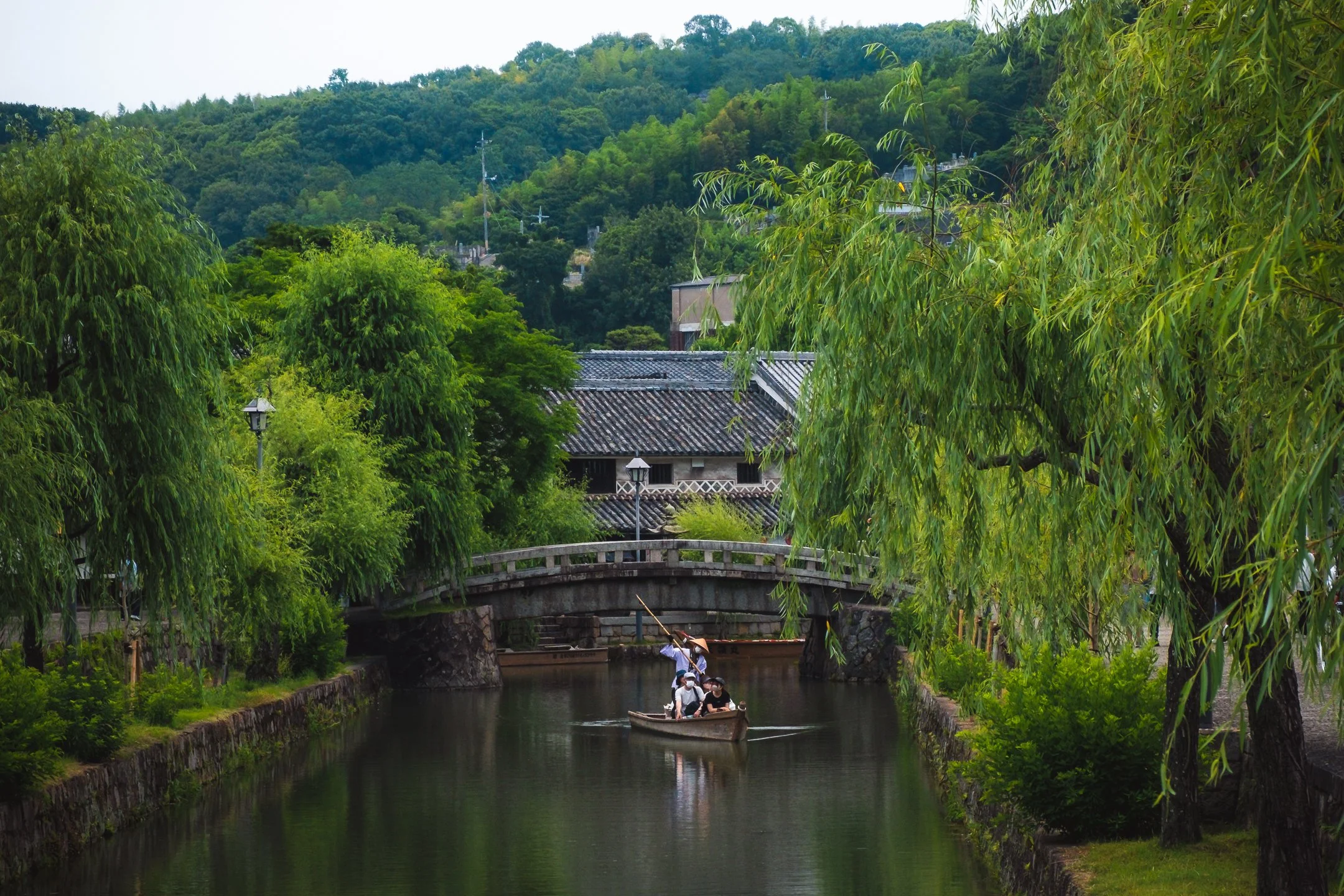
Boat rides along the canal are a popular attraction in Kurashiki.
Sendai
As the largest city in Japan’s Tohoku region, Sendai is the obvious choice for a hub. If you take advantage of the Tohoku Shinkansen, a variety of worthwhile day trips become available to you. Here are a few ideas:
Yamadera: In only an hour from Sendai via the Senzan Line, you could be at Yamadera, a beautiful mountain temple with incredible views of the valley below.
Morioka: An attractive city surrounded by mountains, this often-ignored destination is just over an hour away from Sendai Station via Shinkansen.
Zao Onsen: Whether you want to enjoy the relaxing sulphuric hot springs, thrilling skiing, or both, the volcanic Mount Zao can be reached in under 2 hours from Sendai Station.
Sapporo
Hokkaido is mainly known as a nature lover’s getaway, and while there is definitely public transit available, many travellers to Japan’s northernmost main island prefer to take a car. Sapporo, Hokkaido’s largest city, is your gateway to Japan’s largest prefecture.
Otaru: A charming port city with a lovely canal area, Otaru is an ideal day trip from Sapporo and can be reached in just over half an hour.
Noboribetsu: In as little as an hour and a half via the Limited Express Hokuto line, you can visit this popular hot spring resort. Make sure to visit Jikokudani, or “Hell Valley”, with its spectacular volcanic activity.
Upopoy National Ainu Museum and Park: Learn about the Ainu, Hokkaido’s indigenous population, at this museum and park located about an hour and 15 minutes away from Sapporo.
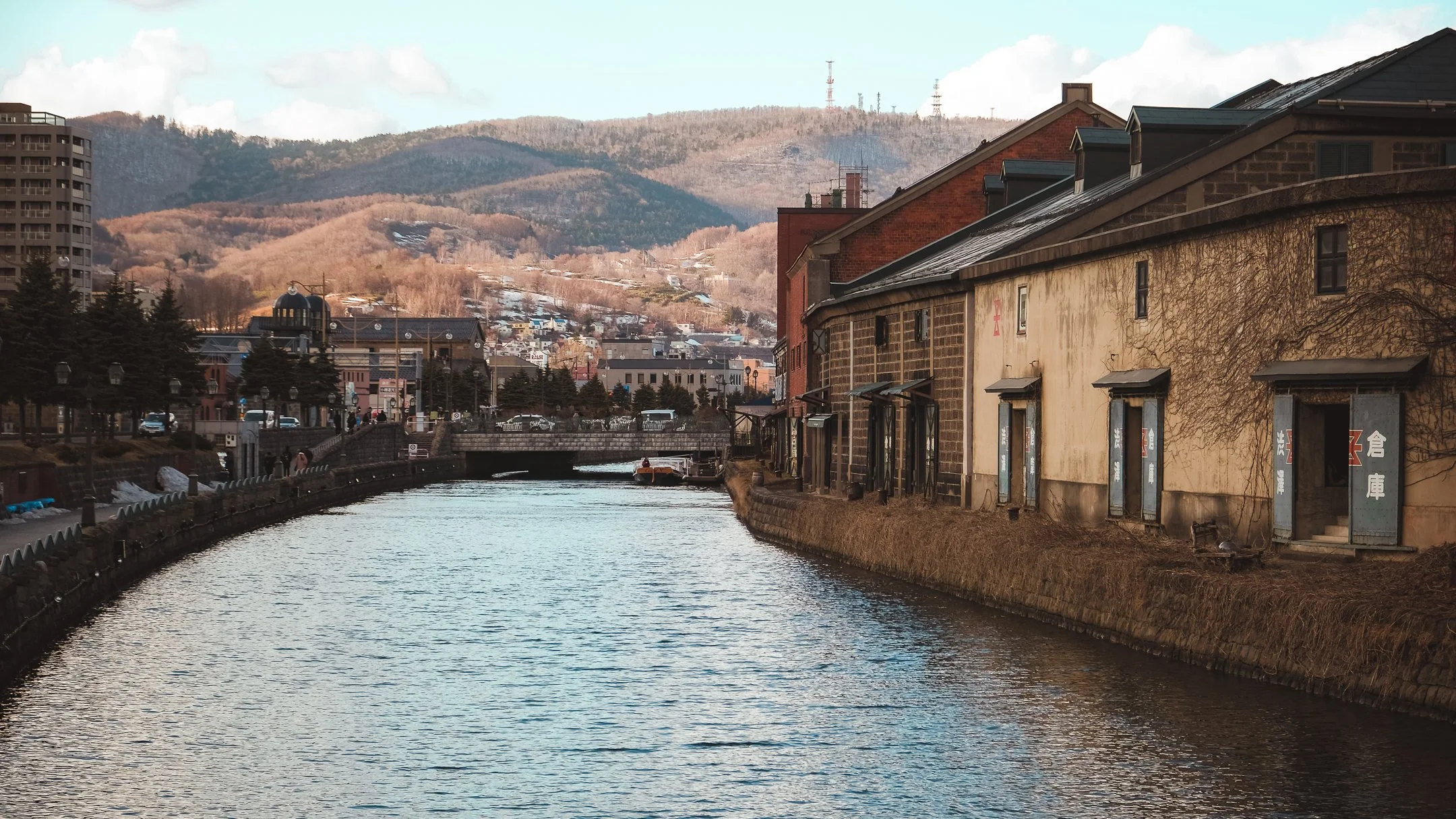
Otaru’s charming canal area is its hallmark feature.
Fukuoka
As Kyushu’s largest city, Fukuoka makes for an idea hub to explore the southernmost of Japan’s main islands.
Itoshima Peninsula: Whether you want to visit the area’s beaches, the famous Couple Stones, or the basalt cave in Keyanooto Park, Itoshima Peninsula is a hidden gem located under an hour away from Hakata station. Enjoy it by bicycle for an even lovelier time.
Mifuneyama Rakuen: This flower park with a dedicated TeamLabs digital art exhibit is located just over an hour and a half away from Fukuoka.
Karatsu: This coastal city known for its pottery is easily reached in about an hour and a half from Fukuoka.
Huis Ten Bosch: This Netherlands-themed park has life-sized replicas of Dutch buildings, seasonal flowers, and seasonal illumination shows. If this piques your interest, take the Midori-Huis Ten Bosch Limited Express train from Hakata to the theme park in an hour and 45 minutes.
Nagasaki: Visit this hillside coastal city in an hour and 45 minutes from Hakata station.
Beppu: A hot spring town known for its “7 Hells”, it will take you under 2 hours on the Sonic-Nichirin Limited Express train to get to Beppu from Hakata Station.
Yanagawa: Known as the “Venice of Kyushu” for its numerous canals, you can visit Yanagawa in under an hour and a half from Tenjin Station in Fukuoka.