Moving around Japan: Public transit guide

Japan has a world-class transit system.
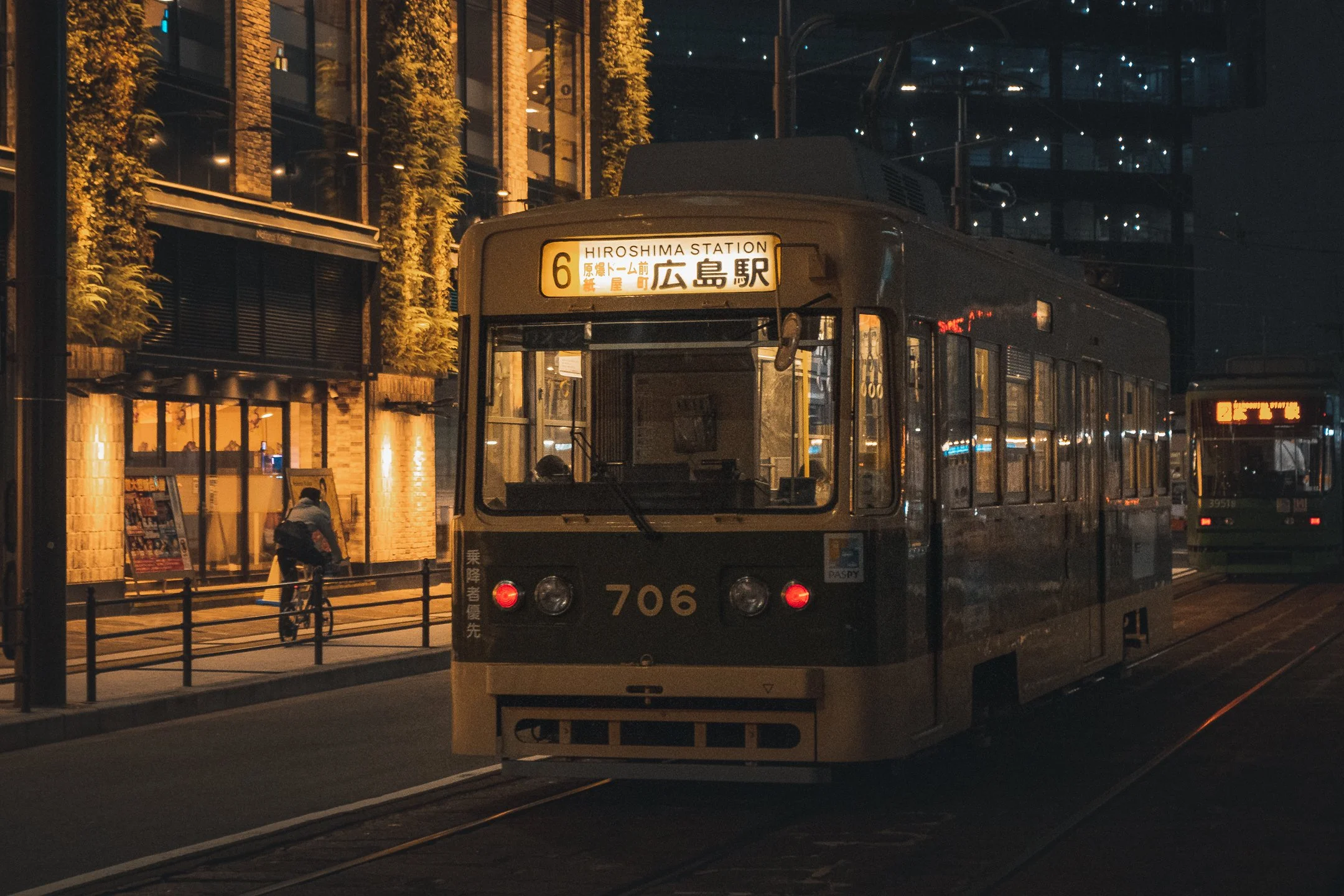
If you’re used to renting a car on vacation, or if you use a car to get around in your day-to-day life, breathe a sigh of relief and let Japan’s network of railways, subways, ferries, trams, and of course, their high-speed bullet trains carry you from place to place.
If you aren’t used to taking public transit, especially in Japan, there’s a small learning curve. That being said, Japan has English signage available on their transit systems wherever you go, and your navigation app of choice (e.g. Google Maps, Apple Maps) will give you instructions every step of the way. So, take a deep breath, and let’s cover a few things you should know going into your trip when it comes to getting around.
Walking
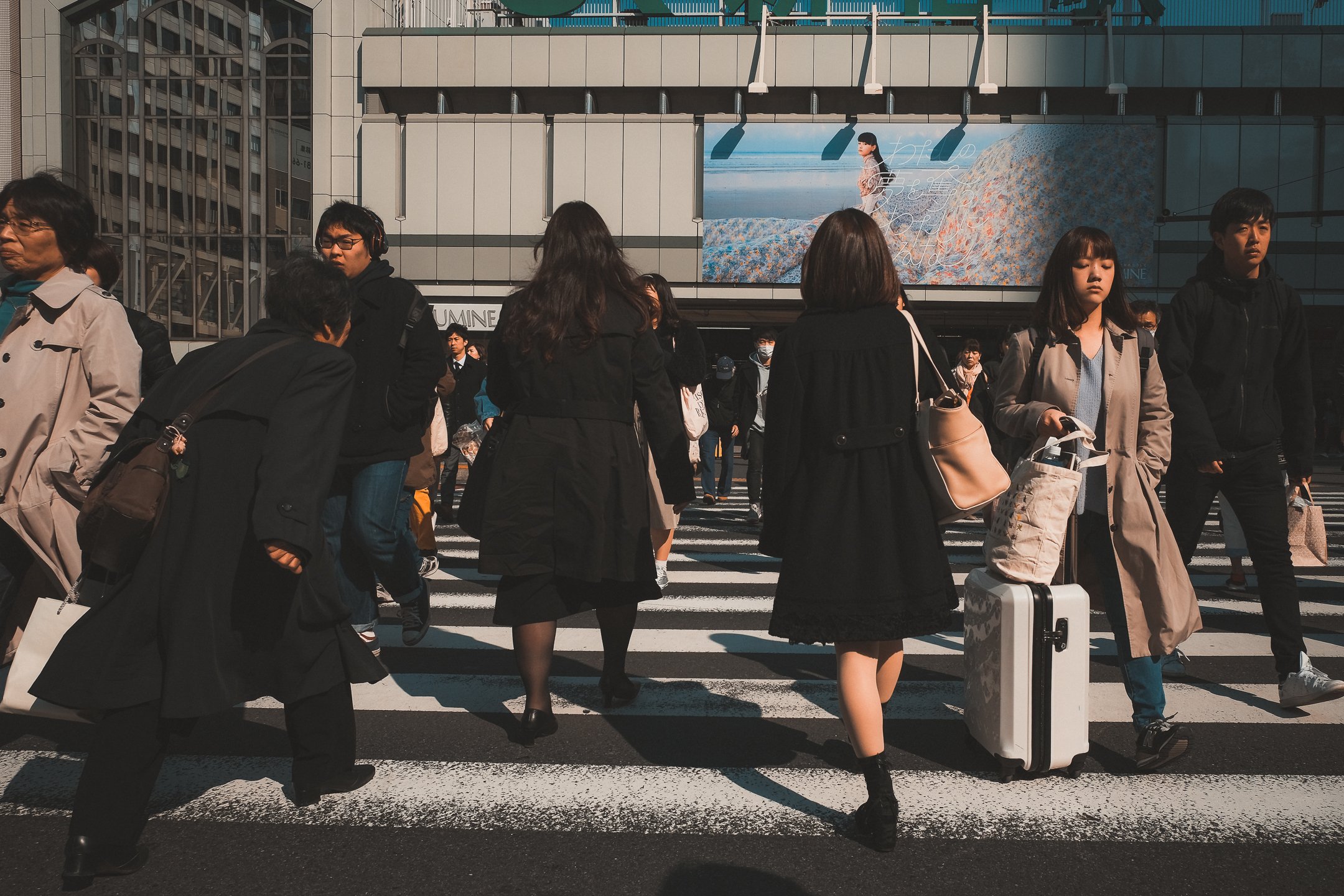
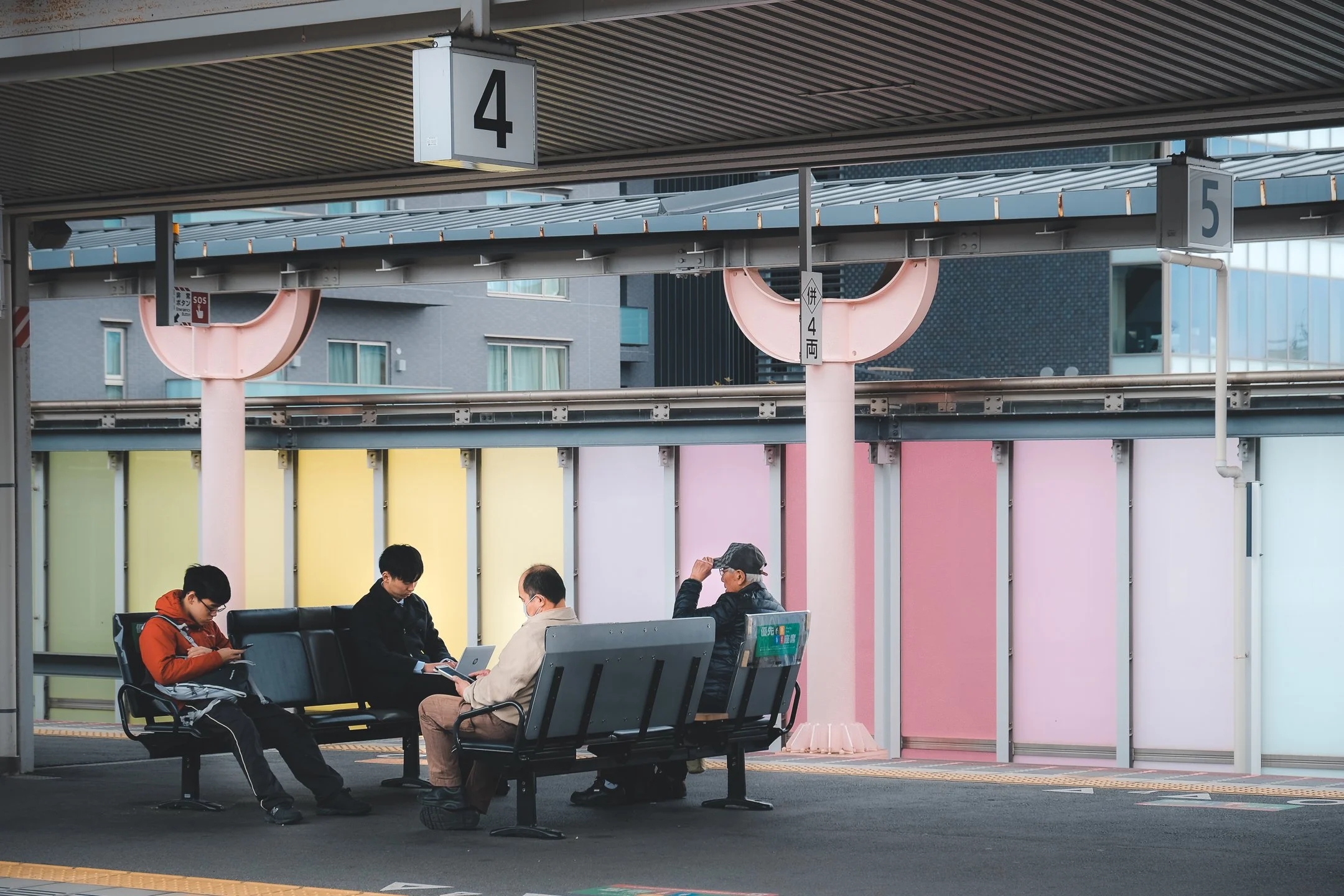
Let’s get this out of the way first: you’ll want to bring your comfiest shoes, because you'll be walking a lot. I usually walk over 20k steps a day while I'm in Japan. Even if you're taking lots of transit, you'll still be on your feet more often than not. Stations are typically quite large, have lots of stairs, and you may be standing for long stretches of time: both while waiting for trains, and on them, if there aren't any seats available. I find that in general, Tokyo does not have an abundance of public seating, so if you're looking to take a breather, it's usually best to pop into a cafe.
Even if you walk a lot in your daily life, your feet will probably be a bit sore after a few days of city walking, especially since paved streets are not quite as forgiving as natural ground. Remember to take breaks, but also, maybe try to fight through the discomfort. In a few short days, you will have likely fully acclimatized to this amount of walking!
IC Card
Your transit card, or IC card, will be your lifeline throughout your trip to Japan. There are many different types of transit cards (e.g. Pasmo, Suica, ICOCA, PiTaPa, Kitaca…) depending on where in the country you are. There is essentially no difference between them and all can be used to pay for most types of transit.
Due to chip shortages, during most of 2023 you wouldn’t have been able to snag a regular transit card when you landed in Japan. Instead, you would have needed to purchase a Welcome Suica, which were temporary transit cards, sold only at a few select locations. While the chip availability issue seems to have been sorted for the time being, you might want to avoid relying on a physical card in case of future shortages.
If you have an iPhone, you can instead add a Suica card to your Apple Wallet, and even start adding funds to it in advance (if, say, the yen is too weak to resist!). Even better, if you make sure the "Express Transit" setting on the card is enabled, you won't need to unlock your phone with Face ID or Touch ID to tap onto transit or make purchases. This makes it just as easy to use as a physical card, there's less risk of losing it, and it's far quicker and more convenient to load funds onto it. And, if after a full day of travel your phone happens to die, depending on the model of iPhone, you should still be able to use the transit card for a few extra hours. However, I would recommend not testing that theory and carrying a battery pack with you!
I am sure that Android Pay has similar features, but I don't have an Android so I don't have much to say about that.
Tokyo Metro Transit
The subway system in Tokyo is absolutely massive and intimidating at first glance. In practice, it is deceptively easy to use. Google Maps and Apple Maps do a great job of helping you navigate to the correct lines, platforms, and transfers, and there is English signage everywhere. One thing you'll need to wrap your head around is that many stations are so big, they can span several blocks underground, and therefore might have dozens of exits. Even if your destination is right beside a station, taking the wrong exit could add up to 15 minutes of walking time above ground! So, your navigation app of choice is kind enough to tell you which exit you should take from the station. The signage is usually pretty good: simply follow the numbered signs in the station to get to your exit.
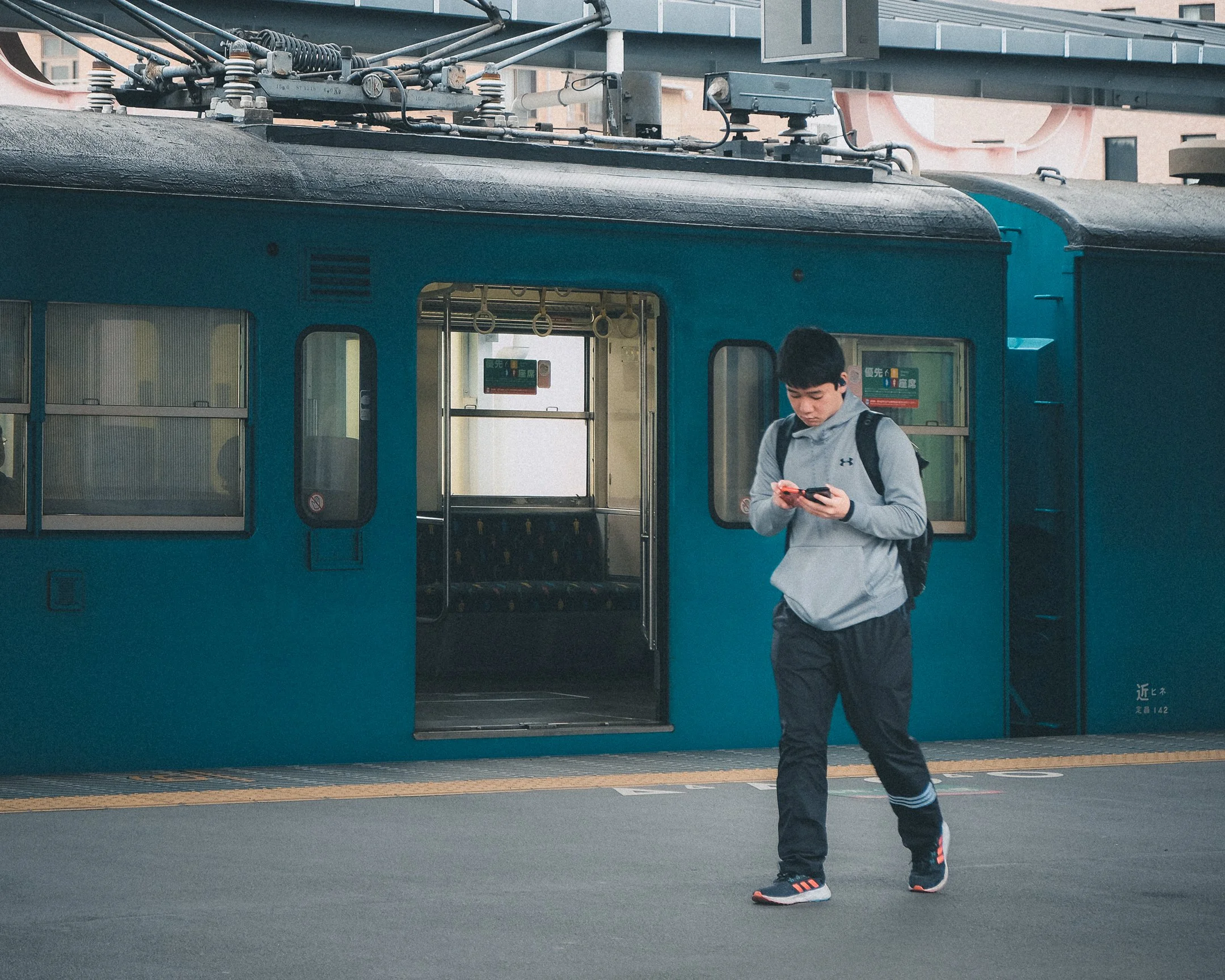
Tokyo has two subway companies that serve the city: Tokyo Metro and Toei. There are also several above-ground railway companies that serve the city, most popularly JR East (and over half a dozen other railway companies, but we're getting too deep into it now). If you purchase a Tokyo Subway Ticket, which is valid for 24, 48, or 72 hours, you can use the Tokyo Metro or Toei subway lines as much as you want during that time period. If you have a JR Pass, you can use the JR lines as much as you want without paying an extra fare. Keep in mind that JR lines will usually have totally separate stations, or at the very least separate sections within a station. If you are transferring from a non-JR line to a JR line, you will need to tap out of the metro station and tap in to enter the JR station/section. If this is all very confusing, don't worry: Google/Apple Maps will be your guide for the most part, and you don't really have to worry about Tokyo Subway Tickets or JR Passes unless you've determined that it would save you a lot of money. You can just use your IC card on a per-trip basis instead.
The main JR line you will probably hear about in Tokyo is the Yamanote line, which is a loop line that hits most of Tokyo’s major stations. For this reason it's very convenient, but it's also extremely busy. It's never a bad idea to stay at a hotel near a Yamanote line station, but it can be just as convenient to stay near a well-connected subway station, too. The best of both worlds is to stay somwhere near both a Yamanote Line station, and a well-connected subway station.
Some lines will also have different levels of service, e.g. local, semi-express, rapid, express, or special/limited express. Basically, the more express, the fewer stops are made. So, it's usually a better idea to stay near a station that is served by the express trains so that you aren't stuck having to take the slow local trains that stop at every single station. Also, usually when you see "special express" or "limited express" trains, they will require an additional fare or seat reservation: this will be indicated on the screens in the station.

For the most part, you will be exclusively using your IC card to tap on and off transit. However, there are cases where you need to buy a paper ticket (for example, if your destination is super remote and does not support IC cards, or you need to purchase an additional fare). In these cases, make sure you retain the paper ticket until you exit the station.
Usually, you aren't allowed to exit the same station that you entered. However, recently JR East has started allowing this, charging only a platform fee when you tap your IC card on and off at the same JR station in Tokyo. This is because some of the JR stations (e.g. Ueno, Tokyo, Shinagawa) have shopping and dining attractions inside of the ticket gate, which you might want to check out even if you don't plan on taking the train. If you accidentally do this at another station, though, you might have to talk to an attendant and explain your mistake, or just take the L and ride the train one stop and get off.
If you really screw up somehow, and are unable to exit the station, talk to an attendant and explain your situation. They might have to write you an "I messed up!" note (I presume this is what it says) that you will present to the attendant as you leave the station... it's only slightly embarassing. This happened to me once when I tapped on at Matsumoto Station and took the train to a stop near the Japanese alps, which did not support IC cards. Since I couldn't tap off, this trip left my IC card in an open state. When I returned to Matsumoto later that day, I could not exit the station and had to talk to an attendant. Based on the speed at which he filled out the form, I was obviously not the first tourist to make that mistake 🥲.
Finally, you will want to make sure you don't miss the last train of the day, since the subways all shut down between about midnight and 6am. You don't want to be caught far from your hotel once the subway service has ended because you'll need to take a super expensive taxi home, or burn it out all night at a karaoke room 🤪. If you don't want to be limited by the subway schedule, maybe keep your night drinking to within walking distance of your hotel!
Transportation from Airport
Whether you land in Haneda or Narita, you will have easy transit options to get to Tokyo. Don't take a taxi, they are so so expensive!
If you land at Haneda, you will have JR and non-JR options for getting into the city. For JR, you will probably use the Monorail and transfer to the Yamanote line. For non-JR, you can use the Keikyu Airport line and transfer to whatever Tokyo subway line will take you to your hotel. All in all, it will take you under an hour to get to the city from HND.
If you land at Narita, there's a bunch of options, but you'll probably take the JR Narita Express or Keisei Skyliner, either of which will get you to Tokyo in about an hour and cost around $25-30 CAD. There is also the Keisei Main Line, which will all get you to the Tokyo area in about an hour and a half, and cost about $12-15.
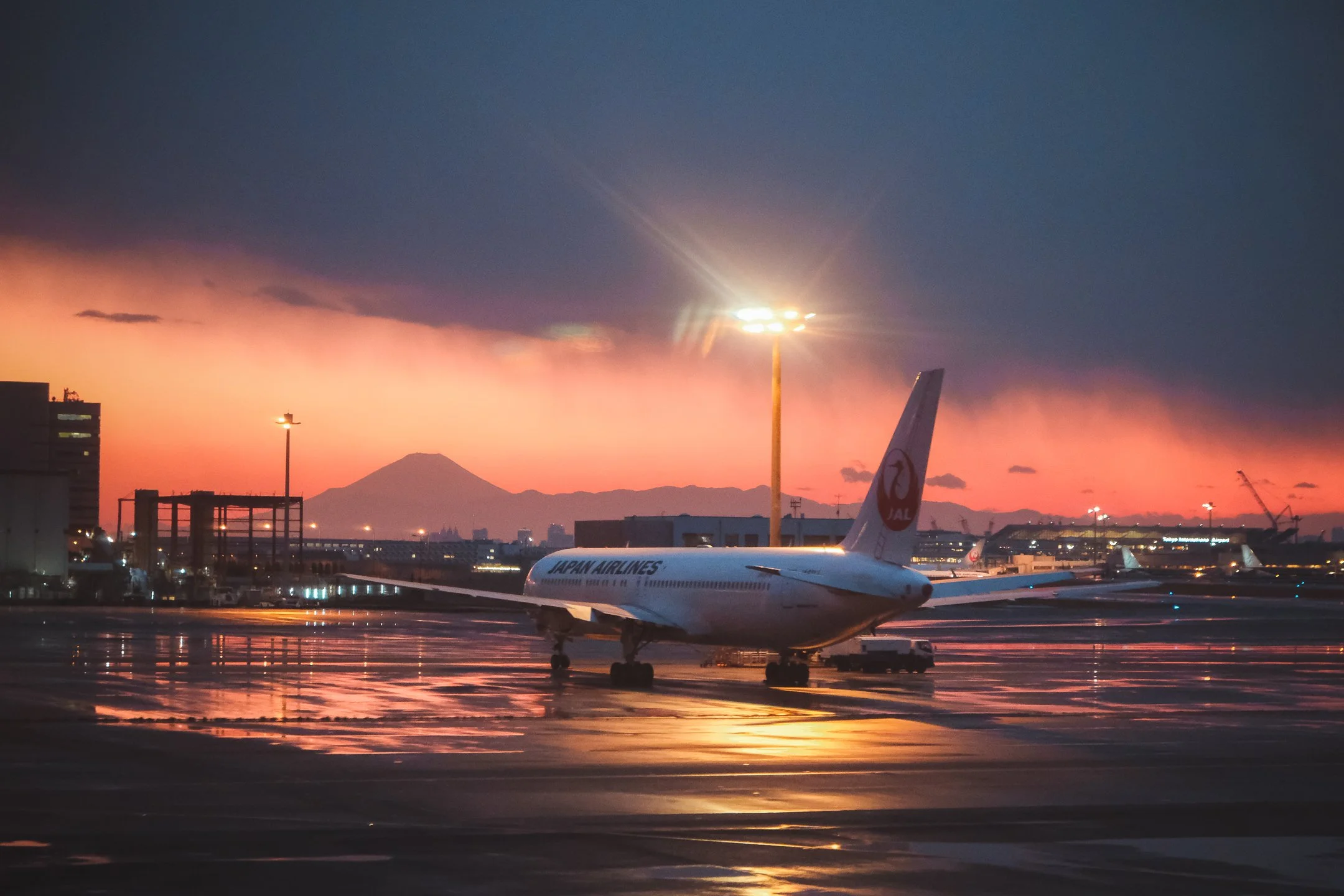
Mount Fuji makes an appearance at Haneda Airport.
Bullet Trains
Japan's Shinkansen (bullet trains) are extremely useful for getting across the country quickly, but they aren't cheap. Think of them more like you would short-haul air travel and adjust your price expectations accordingly. For example, you can take the train from Tokyo to Osaka, 400km away, in 2.5 hours. That's like travelling from Toronto to Ottawa in the same amount of time. It's expensive (the fastest train from Tokyo to Osaka will run you about $130 CAD), but boy is it cool.
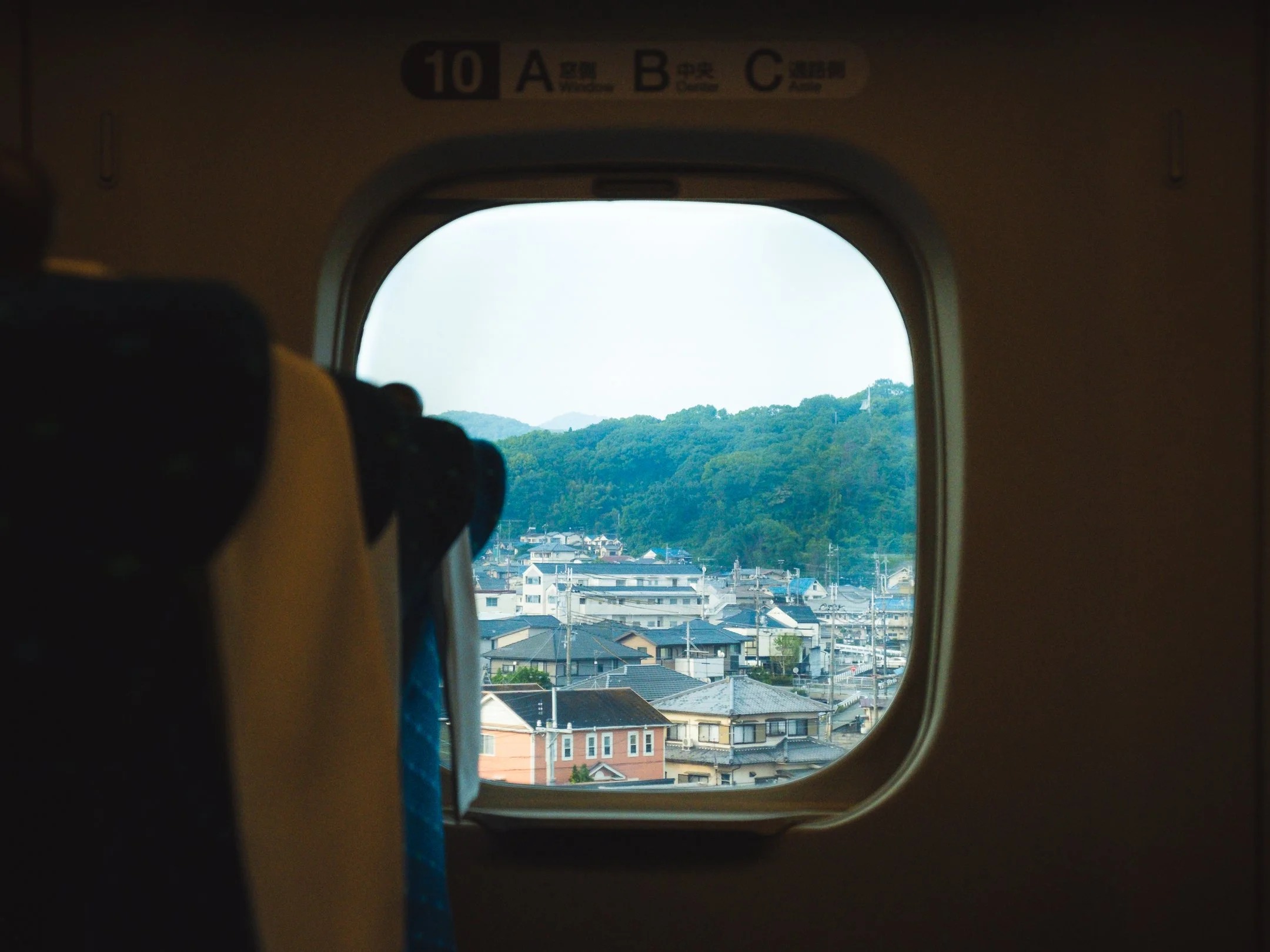
Since Japan recently increased the price of their popular JR passes, it probably won't be worth it to buy a JR pass. Honestly, it was barely worth it before the price increase, and you still needed to pay extra to ride the fastest bullet train. But you can still do the math yourself if you think you will be taking a lot of inter-city JR trains.
One thing that tripped me up in the beginning is how to buy tickets for the bullet train. Basically, you will need two tickets, so don't tap on at the Shinkansen ticket gates like you normally would. Instead, opt to use the ticket machines right outside them (or at any JR station). The way I think about it is, you need one ticket to get you from point A to point B (your base fare ticket), and one ticket for how fast you're getting there: this is your bullet train ticket. The Shinkansen ticket machine should prompt you at some point during your purchase, and ask if you need to purchase the "base fare ticket" along with your Shinkansen ticket. You should say yes.
Shinkansen tickets will vary in price according to which train you're taking (e.g. the super fast Nozomi that only stops at major stations will be more expensive than the slower Kodama that stops at each station), and also based on which class of seat you buy. Unreserved seats are the cheapest, but access to seats are first come first served, so you might end up standing for your whole trip. If you purchase an unreserved seat, you will need to make sure you enter the shinkansen in one of the unreserved seat cars. Reserved seats will guarantee you a regular seat. Green Car seats are more luxurious, roomier, and comfier, with fewer seats per train car. Finally, Gran Class is like the first class of bullet train seats: these also often come with a meal, depending on which Shinkansen line you are taking.
I would recommend booking reserved seats for the most part as the bullet trains often get full. If you are travelling via shinkansen during particularly busy periods, like Golden Week, you will also want to purchase your tickets far in advance (which you can do online or at any JR ticket booth). Otherwise, it's usually fine to purchase right before your journey. Once you have your tickets and it's time to go through the gate, you will simply stack the tickets on top of each other and feed them into the ticket slot at the same time. The machine will spit out the tickets on the other side of the gate. Make sure you retain these tickets as you will need them to exit at your destination!
Finally, depending on the size of luggage you are carrying with you, you may need to purchase an oversized luggage reservation as well, to ensure there is space for your luggage on the train car.

Matsumoto Station offers travellers a beautiful view of the Japanese Alps
Buses
Historic and well-traveled destinations commonly offer 1 or 2-day passes that offer unlimited bus trips for the duration of the pass. These are generally a good deal: for example, in Nikko, a 1-day World Heritage Sightseeing Pass costs 500 yen, which is immediately worthwhile when you consider that taking a return trip from Nikko station to the sightseeing areas would already cost more than the pass.
This is also the easiest way to travel by bus in terms of payment: once you've purchased your pass (usually from the tourist information centre or the main JR station), simply show it to the bus driver clearly when boarding.
The next easiest way to pay for the bus is to use your IC Card. Most bus routes should offer this option, and if you're lucky, there should be some English-language signage that instructs you about how to pay. That being said, you will want to tap your card both when boarding and when disembarking the bus, as fares are generally distance-based rather than a flat fee.
Some bus routes, particularly older or more remote routes, may not accept IC cards. For example, I used a bus in Karuizawa to get to Shiraito falls that only accepted cash fares. This is where things get a little bit more confusing, as you will need to calculate your fare based on the distance traveled.
If you are paying a cash fare, make sure you take a ticket from the small dispenser near the door as you board. This will have a stop number on it, and it will match to a stop number on the screen at the front of the bus. You can ignore the other numbered boxes - the box with your stop number on it will show you the fare you'll need to pay as you exit the bus. You'll notice the amount increase at each new stop. Once you're ready to disembark, prepare your cash fare based on the amount shown on the screen, and deposit both the fare and the numbered ticket in the fare box by the driver.
Some buses may offer a machine that exchanges 1000-yen bills to smaller denomination coins, which is useful if you are not carrying much change. If not, the bus driver may be able to provide change - it really depends on the bus. That being said, it is always worthwhile to carry change on you, not only for bus fares, but also for any temples or attractions that might charge a couple-hundred yen fee for entry.